Rising Stem Valve vs Non-Rising Stem Gate Valve: Which One Is Right for Your Application?
When it comes to selecting the perfect gate valve for your fluid control systems, the choice between a Rising Stem Valve and a Non-Rising Stem Gate Valve can be pivotal
Product Description
Rising Stem Valve vs Non-Rising Stem Gate Valve: Which One Is Right for Your Application?
When it comes to selecting the perfect gate valve for your fluid control systems, the choice between a Rising Stem Valve and a Non-Rising Stem Gate Valve can be pivotal. Understanding the unique features, technical specifications, and the specific advantages of each option will ensure you make the best decision for your application.
If you are looking for more details, kindly visit KOXY.
Product Overview
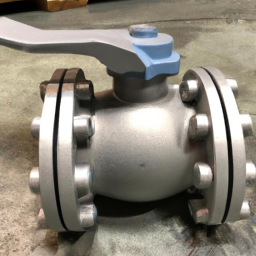
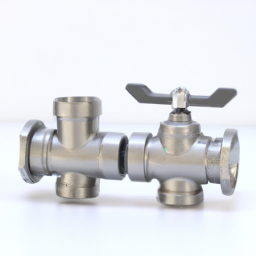
Rising Stem Valve:
- Design: The Rising Stem Valve features an externally visible stem that rises and descends as the valve is opened and closed, providing a clear indication of the valve’s position.
- Materials: Typically made of durable metals like stainless steel, cast iron, or brass, allowing it to handle high pressure and temperature.
- Sizes: Available in a range of sizes from ½ inch to 36 inches, accommodating various pipeline dimensions.
- Pressure Ratings: Commonly rated for pressures up to 300 PSI, making them suitable for demanding environments.
Non-Rising Stem Gate Valve:
- Design: The Non-Rising Stem Gate Valve has its stem embedded within the valve body. This design is more compact and is ideal for applications with space constraints.
- Materials: Usually constructed from robust materials like ductile iron or carbon steel, offering excellent resistance to corrosion and wear.
- Sizes: Offered in sizes from 2 inches to 48 inches, enabling compatibility with large-scale industrial systems.
- Pressure Ratings: Capable of withstanding pressures exceeding 600 PSI, ensuring reliability in high-stakes scenarios.
Key Advantages
Rising Stem Valve:
- Visibility: The rising mechanism provides immediate visual feedback, allowing for easy monitoring and maintenance.
- Ease of Use: The straightforward design makes it easy to operate, even in challenging conditions.
- Ideal for Throttling: Perfect for applications that require precise flow regulation.
Non-Rising Stem Gate Valve:
- Space-Saving Design: Perfect for installations where headroom is limited, as the stem does not require additional vertical space to operate.
- Reduced Wear and Tear: The non-rising function minimizes the risk of damage due to external environmental factors.
- Quick Operation: They are designed for fast open and close operations, ideal for emergency shut-offs.
Applications
Rising Stem Valve: Commonly used in water treatment plants, chemical processing facilities, and HVAC systems. Their ability to provide visual feedback makes them perfect for applications that require regular monitoring.
Non-Rising Stem Gate Valve: Perfect for underground installations, such as water distribution systems and oil & gas pipelines, where space is limited but reliability is critical.
Conclusion
Choosing between a Rising Stem Valve and a Non-Rising Stem Gate Valve depends on your specific operational needs. If visibility and ease of monitoring are paramount, the Rising Stem Valve is the ideal choice. However, if space constraints and the need for quick operation are your priorities, then the Non-Rising Stem Gate Valve will suit your application perfectly.
Make the right choice for your project today! Whether you need robust, reliable performance or compact design, our superior quality valves will enhance the efficiency and reliability of your operation. Contact us now for expert advice and to find the perfect fit for your application!
Related Products:Rising Stem Valve vs Non-Rising Stem Gate Valve: Which One Is Right for Your Application?, malleable iron pipe fittings